The Price Is on the Page: What Happens When You Stop Hiding Your Rates
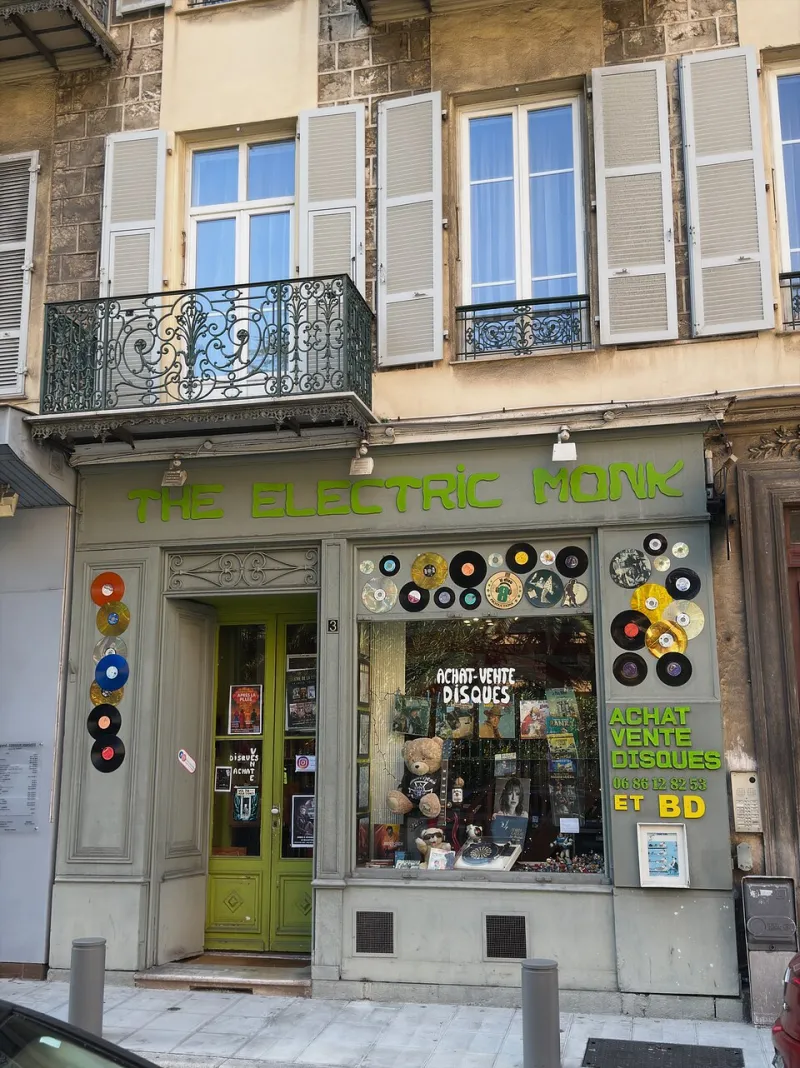
Photo: Mike is Michi, CC BY-SA 4.0, via Wikimedia Commons
Earlier this autumn I did something that felt faintly indecent: I put a price on my website. Not a full rate card, not a calculator, just a plain paragraph under the work I do. Projects start at a certain figure. Here is what that figure includes. Here is what makes it go up. I spent longer than I should have staring at the publish button, then clicked it and went to make tea.
The odd thing is that nothing exploded. No one emailed to say I had ruined the mystery. A few people said it was refreshing. One person asked whether I was worried about competitors. I am not, particularly. Competitors already know what things cost. The people who did not know were the ones I actually wanted to talk to.
The enquiry I was quietly dreading
Before the prices went up, every enquiry began with a small dance. Someone would tell me about their idea. I would tell them it sounded interesting. They would ask how much. I would ask what they had in mind. They would say they were flexible. I would say it depended. We would both pretend this was a productive conversation.
It was not. It was a polite standoff, and British politeness made it worse. Asking about money early can feel gauche. Talking about budgets can feel like asking someone their salary. So we circled each other for three emails before either of us said a number. Sometimes we never got there at all.
The public price did not remove that dance entirely, but it shortened it. People now arrive with a rough sense of whether we are in the same postcode, financially speaking. That is a good filter. It is also a kind of courtesy.
What a shopfront actually does
Think about the last time you walked past a shop with nothing in the window. No prices, no clear sign of what was sold, just a door and a feeling. You probably kept walking. Not because it was definitely bad, but because walking in felt like a commitment. You would have to ask, and asking might make you look foolish.
A website works the same way. A public starting price is the equivalent of putting a few things in the window. It says: this is roughly what we do, this is roughly what it costs, and you are welcome to come in if that sounds right. It does not need to be the whole range. It just needs to be honest.
The shopfront rule, as I have come to think of it, is simple: do not make people guess before they are allowed to say hello. Guessing is tiring. It also attracts the wrong kind of enquiry, because the only people who push through a blank window are the ones with a lot of time, a lot of nerve, or a very specific reason to be there.
Transparent does not mean fixed
The biggest fear I had was that a public number would become a cage. If I say projects start at X, am I not obliged to charge X forever? No. A starting price is not a quote. It is a signpost.
I am careful with wording. I use 'from' and 'starting at'. I explain what the starting figure covers and list the things that move it: extra rounds of revisions, urgent turnaround, complex integrations, travel, ongoing support, whatever is relevant to the work. I also say plainly that every project gets a proper written quote. That protects both sides. The website gives a range; the quote gives a commitment.
For freelancers, the easiest version is a single line: 'Most projects start at £X; typical projects land between £X and £Y.' Then a short list of what changes the number. You do not need to publish your day rate, your hourly rate, your tax situation or your innermost feelings about scope creep. You just need to stop pretending the number does not exist.
The privacy question
There is a legitimate privacy argument here. Some people work in markets where publishing any number undermines a carefully built premium position. Some do such varied work that a starting price is meaningless. Some are negotiating with larger clients who will use any public figure as an anchor. I understand all of that.
But privacy and secrecy are not the same thing. You can be private about your full rate card and still be public about your minimum. You can say 'projects typically begin at X' without publishing your day rate or your margins. You can keep client names off the site and still put a number on the page.
The version I would avoid is the completely blank enquiry form. It tells people nothing except that you have a website and presumably would like some money. That is not mysterious. It is just friction.
The small rules I use now
A few practical things have made this work.
First, publish a real starting figure, not a fake one. If your true minimum is higher, say so. A low number designed to attract enquiries you do not want is just a longer queue to the same awkward conversation.
Second, say what the figure includes. A number without context is a rumour. A short paragraph about scope, timeline and deliverables turns it into information.
Third, separate 'starting price' from 'quote'. Make it clear that the website is a guide and the written quote is the real thing. This keeps flexibility without being vague.
Fourth, update the page when things change. A price list from three years ago is worse than no price list, because it makes you look either dishonest or asleep.
Fifth, watch what happens to your enquiries. If the volume drops but the quality rises, the page is doing its job. If you get nothing but people asking for the cheapest possible version, your starting figure is probably too low or your explanation is too thin.
What changed after the number went up
The biggest change was in the tone of the first email. People now say things like: 'I saw your starting price and I think we are in the right area.' That is a much better opening than 'What do you charge?' It means we can talk about the work instead of performing a ritual of mutual hesitation.
I also get fewer enquiries from people who were never going to be a fit. That sounds like a loss if you measure success by inbox volume. It is not. It is a gain in time, which is the only thing I am actually selling.
And yes, I still quote each project individually. The price on the page is not a promise. It is a handshake before the handshake. It says: here is roughly where I sit, here is what I care about, and here is permission to ask a better question.
For an independent business, that is worth more than a little mystery. The shopfront is not the whole shop. But it is the bit that tells people whether to come in.