Half a Room Is Still a Room: Notes on Waiting Lists, No-Shows and Village Hall Comedy

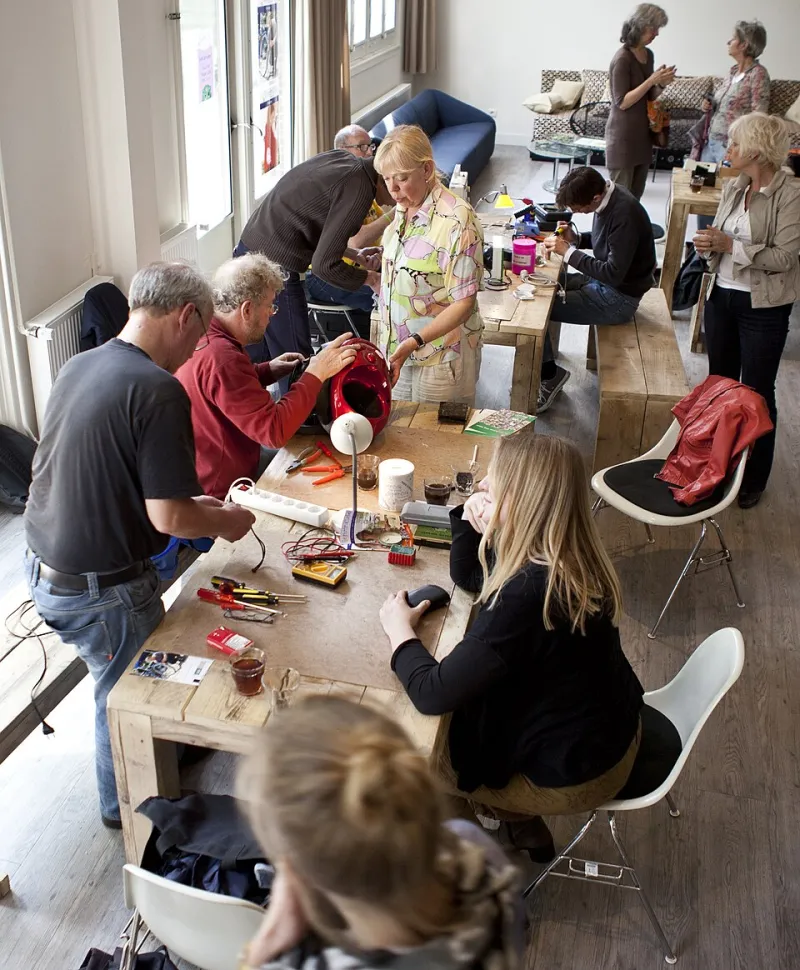
Photo: village hall comedy night audience chairs UK, via i.pinimg.com
The village hall has sixty chairs. I know because I counted them out at half six, and then counted them again at quarter past seven, as if the second count might produce a different number. It didn't. Sixty chairs, one urn, a raffle table nobody asked for, and a microphone stand held together with gaffer tape and hope.
By eight o'clock, forty-one people were sitting on them. Which means nineteen chairs spent the evening doing nothing. By the standards of a booking dashboard, that's a disaster. By the standards of a room, it was a good night.
That gap — between the number of people who say they'll come and the number who do — is the whole story of running a small live night. And it taught me more about trust than any analytics report I've ever opened.
The arithmetic of a free ticket
We made tickets free. That was the first decision, and probably the right one for a first outing in a village with no track record of comedy nights. Free removes the risk for the audience. It also removes the commitment. A free ticket is not a promise; it's a polite maybe with a calendar entry attached.
Within four days the sixty seats were gone. Within a week there were ninety-four names on the waiting list. That number felt wonderful. It also told me almost nothing about who would actually turn up, because the cost of joining a waiting list is roughly zero seconds and one click.
At the show, forty-one people came. That is a thirty-one per cent shortfall against the original sixty, and a fifty-six per cent shortfall against the ninety-four who had expressed interest at one point or another. I've seen enough event dashboards to know that those numbers can be dressed up. 'Ninety-four registrations.' 'Sold out in four days.' Both true. Neither useful.
The chairs, on the other hand, are extremely honest. They don't inflate. They don't count a click as a commitment. They just sit there, waiting to be sat on, until you either fill them or you don't.
The waiting list is the room
The odd thing is that the waiting list turned out to be the most useful part of the whole operation. Not as a queue, but as a signal. Ninety-four people had raised a hand. The room only needed sixty bums. The job wasn't to find an audience — it was to convert one that had already introduced itself.
So we stopped treating the list as a holding pen and started treating it as a series of small, timed invitations. Forty-eight hours before doors, we released any seats that hadn't been confirmed. Twenty-four hours before, we released more. On the day, we released the rest. Each release went out as a short email to the list, with a clear subject line and a single instruction: reply 'yes' if you want the seat.
People replied. Not all of them, but enough. The list didn't fill the room on its own. It did stop the room from being emptier than it needed to be. A waiting list isn't a backup plan. It's a second, slower conversation with the same audience.
Three emails, one small ask
The biggest change we made was also the least glamorous. We sent three reminder emails instead of one.
The first, a week out, was practical: doors at seven, show at eight, parking behind the church, and a warning that the postcode sends sat-navs into a field. The second, the day before, was social: who was on, what the bar was doing (two cool boxes and an honesty tin), and roughly how long the interval would be. The third, at noon on the day, asked one question: are you still coming? Reply yes or no. That was it.
The noon email cut no-shows by nearly half. Not because people are unreliable, but because a small, specific ask at the right moment is easier to answer than a vague intention formed three weeks earlier. It gave people a graceful way out, and it gave us a realistic number for the chairs. Both of those things are kindnesses.
Overbooking, politely
We tried a buffer. Nothing aggressive — about fifteen per cent over the confirmed list, which we called the polite overbook because it sounds better than gambling. For a fifty per cent no-show rate, fifteen per cent is not a buffer. It's a rounding error with a nice name.
So we got more honest. We started planning the room for forty-five and printing sixty tickets. We told the acts to expect a small, warm crowd rather than a packed house. We put the spare chairs at the back and left them there. Nobody minded. The comics certainly didn't — a forty-person room that's paying attention is a better gig than a sixty-person room that's checking its phone.
The bar took more per head than it would have in a squeeze, because nobody was queueing. The raffle made twenty-two quid. The urn did its job. The evening worked.
What forty-one people know that a dashboard doesn't
A dashboard would have told me the night was a success before it happened: sold out in four days, ninety-four on the list, strong engagement. A dashboard would also have told me it was a failure by eight o'clock: thirty-one per cent of the room empty, nineteen chairs unused.
The room told me something else. Forty-one people chose to spend a wet Friday in a village hall listening to three comedians and a compere with a clipboard. They replied to an email at lunchtime. They found the field-car-park. They put a fiver in the honesty tin. That is not a metric. That is a series of small decisions that add up to trust.
The waiting list is the room. It's just not the room you can see from the stage. The visible room is chairs and faces. The real room is the people who answered a noon email, the ones who released a seat when they knew they couldn't make it, and the ones who came back for the second night because the first one felt human-sized.
Next time we'll still print sixty tickets. But we'll plan for forty. The empty chairs aren't a failure; they're the margin you build in when you'd rather have a good small room than a bad big one.