The Ledger Where the Returns Aren’t Money

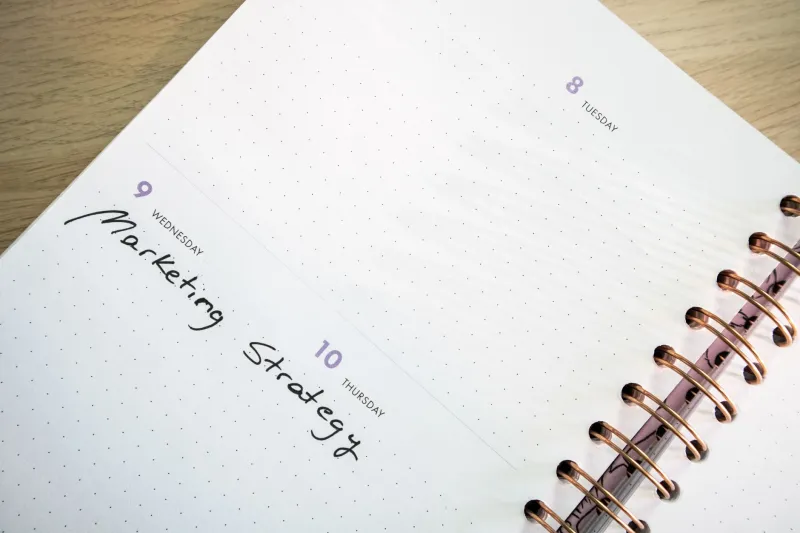
Photo: freelance designer notebook and laptop with handwritten notes on trust and introductions, via logos-world.net
There is a spreadsheet I open most Fridays. It has nothing to do with invoices. It tracks a small side project of mine — a free, occasional directory of independent repair shops and makers in my part of the UK — and it records things like ‘editor at a regional magazine asked for a intro’, ‘bookshop owner passed my name to a festival programmer’, ‘reader sent a useful contact about a print run’. No revenue column. No profit and loss. Just a ledger of returns that are not money.
I used to feel slightly embarrassed by that spreadsheet. It looked like a way of avoiding the obvious question: does this thing make any money? The honest answer is no. It has made almost none. And yet it is probably the most professionally useful thing on my shelf.
The project in question
The project started as a favour. A friend who repairs bicycles wanted a simple list of other people in the city doing similar work — not a marketplace, not a startup, just a page. I built it in a weekend. It grew slowly. I added a monthly email. I kept it free. I did not add a paywall, ads or a ‘premium listing’ tier. This was not a noble decision so much as a recognition that the moment I tried to monetise it, I would have to become a salesperson, and I am a mediocre salesperson.
So it stayed small. It costs me a few hours a month and about the price of a domain name. It has never sent an invoice. It has, however, sent me a lot of other things.
What it actually returns
The first return is introductions. Not vague ‘networking’ — specific, warm introductions. An editor saw the directory, liked the way it was written and asked if I would pitch a piece. A shop owner used it to find a bookbinder, then recommended me to a client who needed some editorial work. A reader emailed to say thank you and copied in someone who was starting a similar project in another city. None of those were transactions. All of them were useful.
The second return is trust. When you maintain something without charging for it, people stop treating you as a vendor and start treating you as a person with a useful map. That is a strange and valuable position. It does not mean people owe you work. It means they are more likely to answer an email, take a call or pass on your name.
The third return is a calling card. I can send a link to the directory instead of a CV. It shows what I notice, how I write, what I think is worth keeping track of. It is a better introduction than a paragraph about ‘passionate about storytelling’.
Why we pretend money is the only metric
Freelance life makes invoices visible. They are the things you can point at when someone asks how it is going. ‘Busy’ is a currency. ‘Paid’ is a currency. ‘I built a free directory of repair shops’ is harder to say at a party without sounding like you have given up.
But the tax return does not have a box for goodwill. It does not capture the editor who remembered you because of a project you ran three years ago. It does not capture the fact that a low-earning project can keep you in the room long enough for a paid one to appear. That does not make it magic. It just makes it invisible to the usual accounting.
A non-financial ledger that isn’t woo
My spreadsheet is deliberately boring. It has five columns: date, person, what they needed, what I did, what came back. ‘What came back’ might be ‘nothing yet’, ‘a thank you’, ‘a recommendation’, ‘a paid commission’, ‘a useful contact’. I do not score people. I do not assign points. I just keep a record.
That record does two things. It stops me from over-romanticising the project — some weeks, nothing comes back, and that is useful to see. And it stops me from undervaluing the slow stuff. A recommendation that takes eight months to turn into a conversation still counts. Without the ledger, I would have forgotten it happened.
The rule I use is simple: if the project produces at least two useful introductions a quarter and costs me under a day a month, I keep it. If it starts costing more than it returns in trust, attention or useful connections, I kill it. I have killed projects before. It is not a failure. It is maintenance.
The costs are real
I am not going to pretend this is free. A non-commercial project still asks for time, headspace and a certain amount of emotional maintenance. You have to answer emails. You have to update the thing when a shop closes. You have to resist the urge to turn every nice email into a pitch. And you have to be honest when the project has become a way of avoiding the paid work you actually need to do.
There is also a quieter cost: the fear that you are being naive. In a culture that treats every hobby as a ‘personal brand’, keeping something small and unmonetised can feel like leaving money on the table. Sometimes it is. But not everything has to be a business. Some things are infrastructure for the rest of your work.
What I would tell another independent worker
Do not monetise everything. Do not confuse ‘no revenue’ with ‘no value’. But do not confuse ‘no revenue’ with ‘no cost’ either. Track the returns honestly — the introductions, the trust, the recommendations, the useful dead ends. Write them down. Then decide, with your eyes open, whether the project is still earning its keep.
My ledger says yes. Not because it is noble. Because it keeps putting me in rooms I would not otherwise be in, with people I would not otherwise meet. That is not an invoice. It is better than nothing.