Six Human-Scale UK Websites I Keep Bookmarking
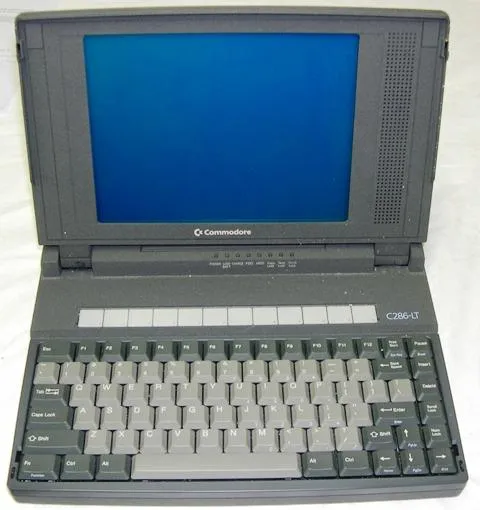
Photo: Museum of Transport and Technology, CC BY 4.0, via Wikimedia Commons
I keep a bookmarks folder called ‘still good’. It’s where I put sites that don’t shout. They load, they tell me something, they get out of the way. The six below are all UK-run, independent, and small enough to feel human. They’re not all personal blogs; some are just well-kept corners of the internet. The lessons are the point.
1. Interconnected — publish small, publish often
Matt Webb’s daily-ish notes are a good reminder that the internet doesn’t need another 2,000-word manifesto every Tuesday. The site is mostly short posts, dated, archived, with no giant hero image and no pop-up begging for an email address. It feels like someone thinking in public, not someone feeding a machine.
Lesson to steal: a paragraph with a link and a thought is enough. You don’t have to wait until you’ve got a Big Idea. The archive becomes the body of work.
2. Diamond Geezer — turn up, and let the date archive do the work
This is an anonymous London blog that has been posting daily observations for years. Some entries are tiny. Some are funny. Some are just a photo and a sentence. The design is plain, the archive goes back forever, and that’s exactly why it works. It feels like a place, not a campaign.
Lesson to steal: consistency beats polish. A simple date-based archive is a quiet promise that the site is alive. You can steal the format: one post, one date, no infinite scroll.
3. Tom Scott’s website — write your about page like a human
Tom Scott’s site is clear about what he does without sounding like a LinkedIn profile that’s been left in the sun. You can find out who he is, what he makes, and how to get in touch without deciphering a maze of jargon. There’s no ‘synergy’, no ‘storytelling solutions’.
Lesson to steal: rewrite your about page in plain English. Say what you do, who it’s for, and how to contact you. That’s it. British understatement is a feature, not a bug.
4. Alice Bartlett’s site — make contact easy and unweird
Alice Bartlett’s personal site is refreshingly direct. It doesn’t hide behind a contact form with fourteen required fields. It feels like a person has actually looked at it since 2019. That sounds like a low bar. It is. Most sites still fail it.
Lesson to steal: put an actual email address on your contact page, plus a note about what you’re happy to be contacted about. No captcha labyrinth. No ‘book a discovery call’ if you’re not selling anything.
5. Phil Gyford’s site — own your archive
Phil Gyford has been publishing online for years, and his site shows the value of keeping your own stuff. Categories, permalinks, dated entries, a searchable archive. It’s not flashy. It’s just solid. You get the sense that the site is his, not a rented shop window.
Lesson to steal: keep your own archive. Use simple URLs. Don’t let your best writing live only in a feed or a social timeline. A tidy archive is a quiet form of respect for readers.
6. Scaryduck — don’t sand off the personality
Scaryduck is a long-running UK blog that has never pretended to be a media brand. It’s funny, human, and occasionally daft. It is not optimised for anything except being itself. That’s why people still read it.
Lesson to steal: a personal site can have a voice. You don’t need to write like a brand. If you’re dry, be dry. If you’re silly, be silly. The people who like it will find it.
The very British thread
Understatement, tidiness, good manners, and a refusal to over-explain. None of these sites are trying to ‘scale’. They’re trying to be useful and interesting for the people who turn up. That’s a better brief than most content strategies I’ve seen.
What to steal this week
Pick one: rewrite your about page in plain English; add a date archive; make your contact page human; write a 150-word post instead of waiting for the big one. Small, unglamorous improvements. Very British.