The Work Diary With the Dull Bits Left In
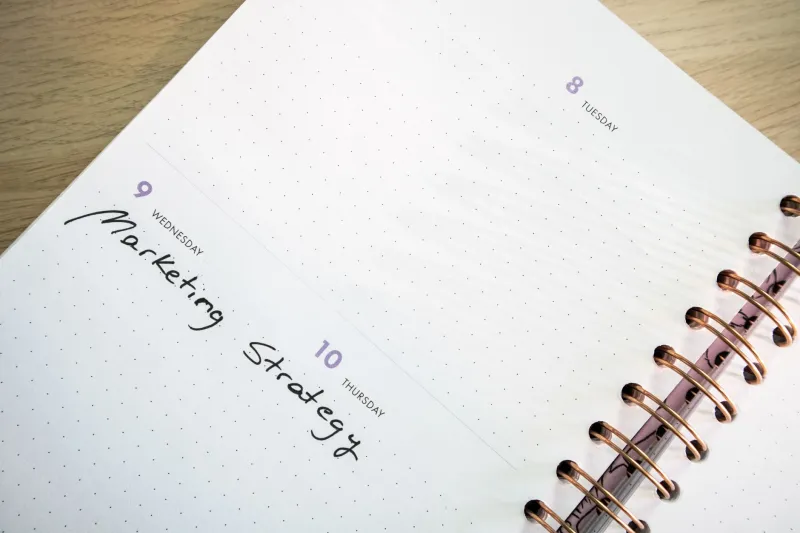
I’ve kept a private work diary for years. It’s not a journal, exactly. It’s a log: what I did, what broke, what I avoided, what I need to do next. Starting this week, I’m moving a short version of it into public view on russellfutcher.com. Not the whole thing. A Friday entry, around 150–250 words, with the dull bits left in.
Why make the ordinary visible
Most of what I do doesn’t look like a case study. It looks like rewriting an about page, chasing an invoice, fixing a broken link, deciding not to build something, or spending a Tuesday in a spreadsheet. Those bits rarely make it onto a personal site. We publish the finished object and quietly delete the middle. That’s a shame. The middle is where the work actually happens, and where trust is built.
UK readers, in my experience, are allergic to overclaiming. We like understatement. A public log suits that. It says: here is what I did, here is what I didn’t, here is what I’m still unsure about. No ‘crushing it’, no lessons-learned industrial complex. Just a record.
What I’m putting in
Every Friday, I’ll post three headings: Done, Stuck, Next. Done can include admin days, small fixes, reading, planning, invoicing. Stuck can be a draft that isn’t working, a decision I’m avoiding, a technical thing I don’t understand yet. Next is one or two things I intend to do. I’ll add a single link if it’s useful. No images, no metrics, no fake urgency.
Some weeks will be dull. Good. A week of admin is still a week of work. If I spent Wednesday wrestling with a spreadsheet, that’s the entry. The log isn’t a portfolio; it’s a pulse. It’s the garage MOT of my working life: unglamorous, but reassuring when it’s done.
What stays out
Client names, confidential details, anything that belongs to someone else. Also performative vulnerability. There’s a difference between ‘this draft is not working’ and turning the diary into a therapy session. I want honest, not confessional. And no growth-hack language. If I catch myself writing ‘audience-building’, I’ll delete it and go for a walk.
Slow weeks get recorded as slow weeks. I won’t backfill entries to look busy. The point is the pattern, not the highlight reel.
Why bother making it public?
A private log is useful. A public one is useful and accountable. Clients can see how I work before they hire me. Readers can see that projects take time. I can see, after a month or two, where my time actually goes. It’s also a quiet antidote to the polished launch post. You don’t always need a big announcement; you need a record.
On a personal site, this is the kind of thing that makes the place feel lived-in. russellfutcher.com isn’t a magazine. It’s a workshop with the door open. A work diary fits that better than another ‘thought leadership’ essay.
How I’ll stop it becoming another performance
Rules: publish on Friday if possible; skip if not. No streak guilt. Keep entries short. Don’t turn every week into a narrative arc. If a month is boring, let it be boring. The archive should read like a person, not a content calendar.
I’m calling it a work diary rather than a blog because ‘blog’ now implies a machine. This is closer to a logbook. It’s the boring bits, left in. That’s the brand.